


Jump to main content
FreshThread
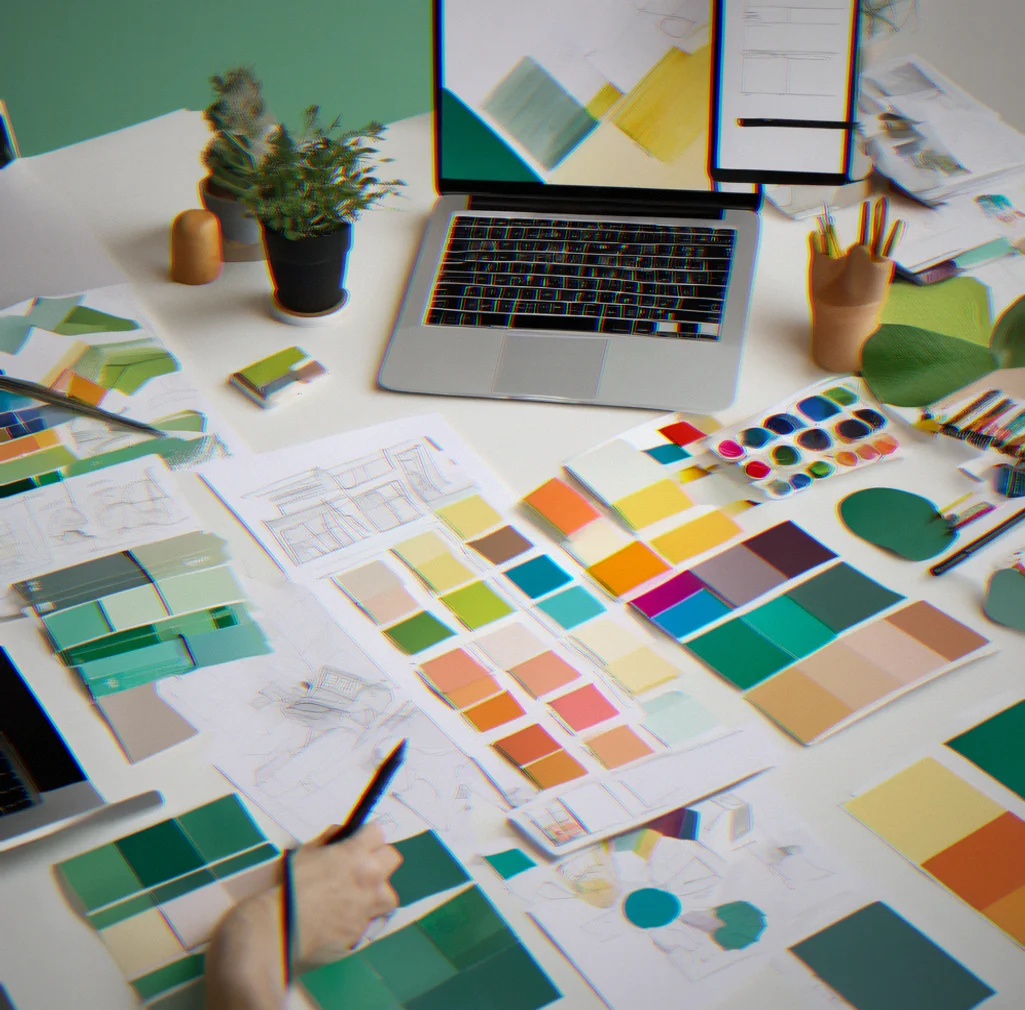
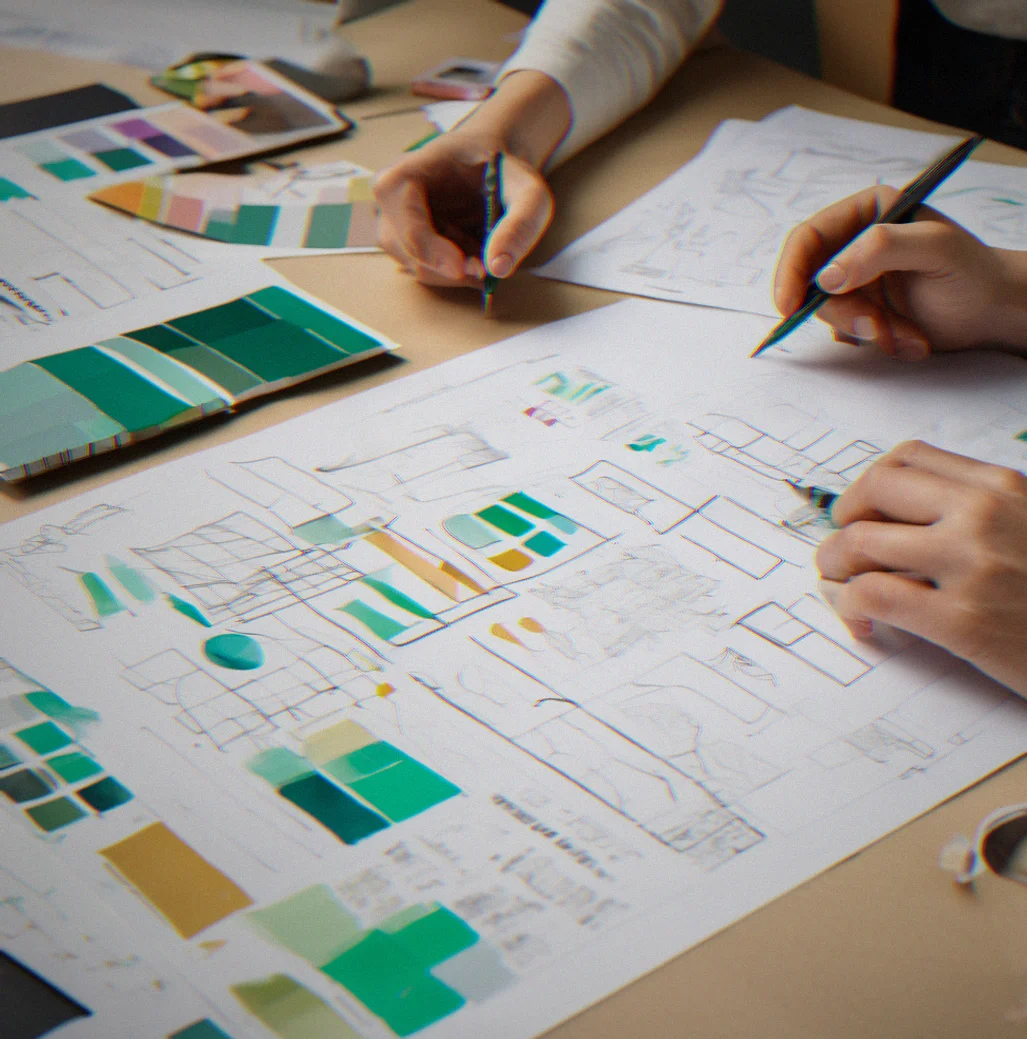
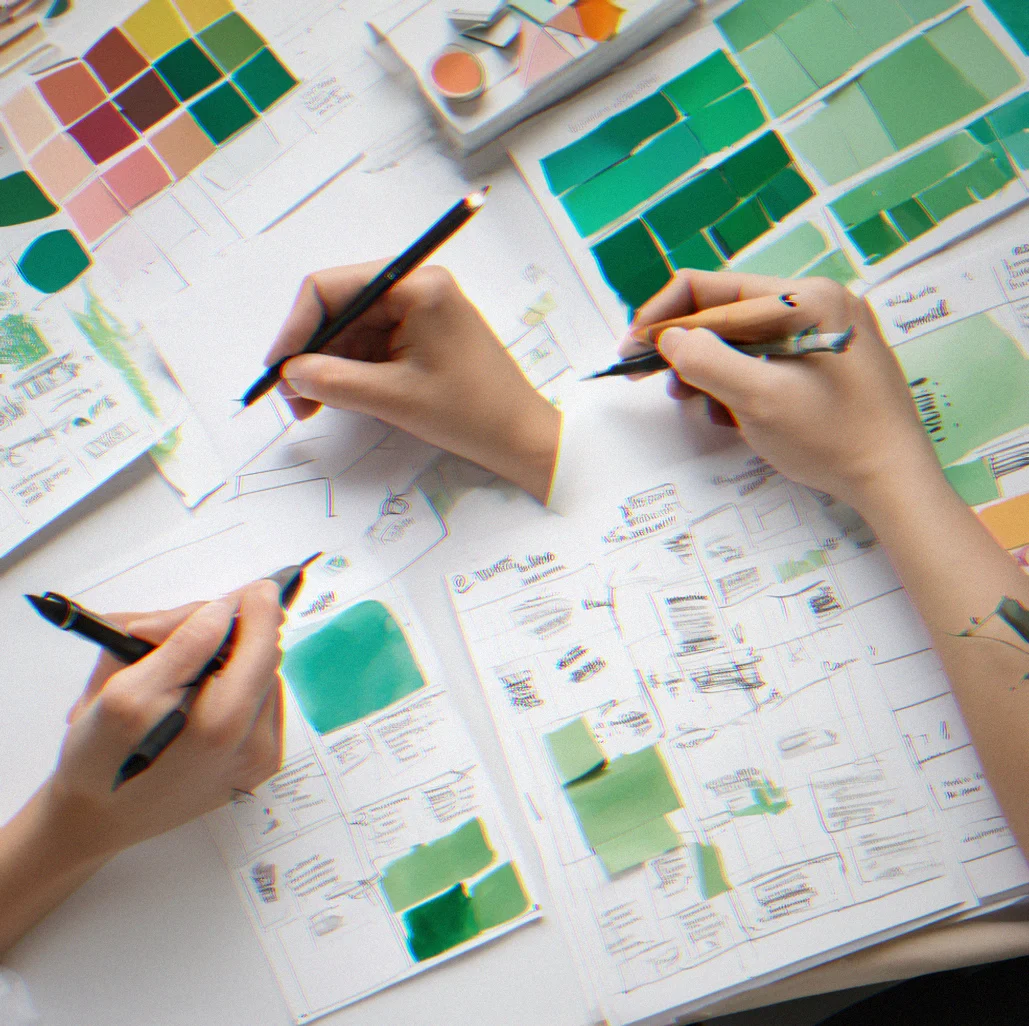
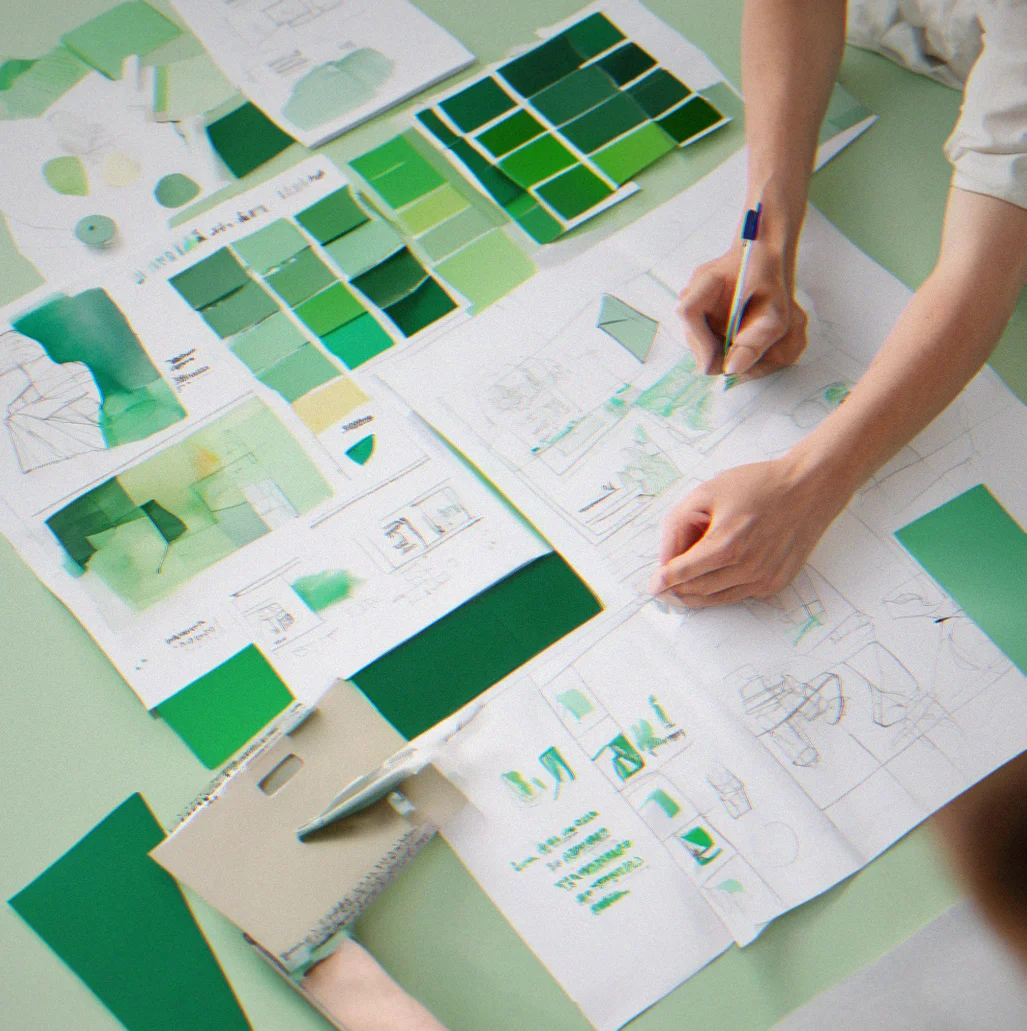
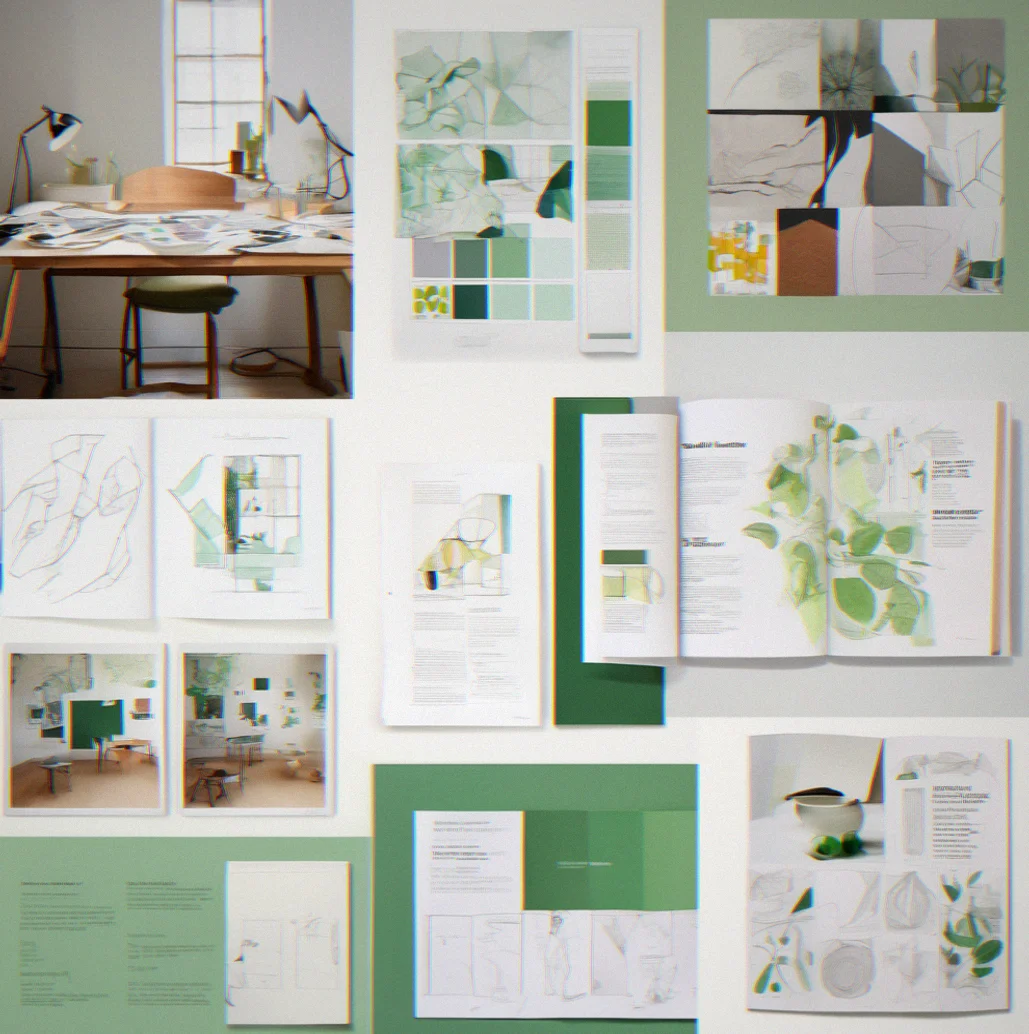
Designer working through a custom brand system with color palette, typography, and visual hierarchy spread across a desk
Boutique brand direction

Custom systems that work the way you think

Real systems, not templates. No frameworks forcing your process into someone else's mold.

You've seen those generic brand decks. You've rejected plenty of them. FreshThread builds visual identities, content strategies, and narrative systems that actually match how you work and how your audience thinks. We move through ideation, iteration, and feedback loops the same way you do. Everything we make is deliberate. Nothing looks like it came from some template library down the street.

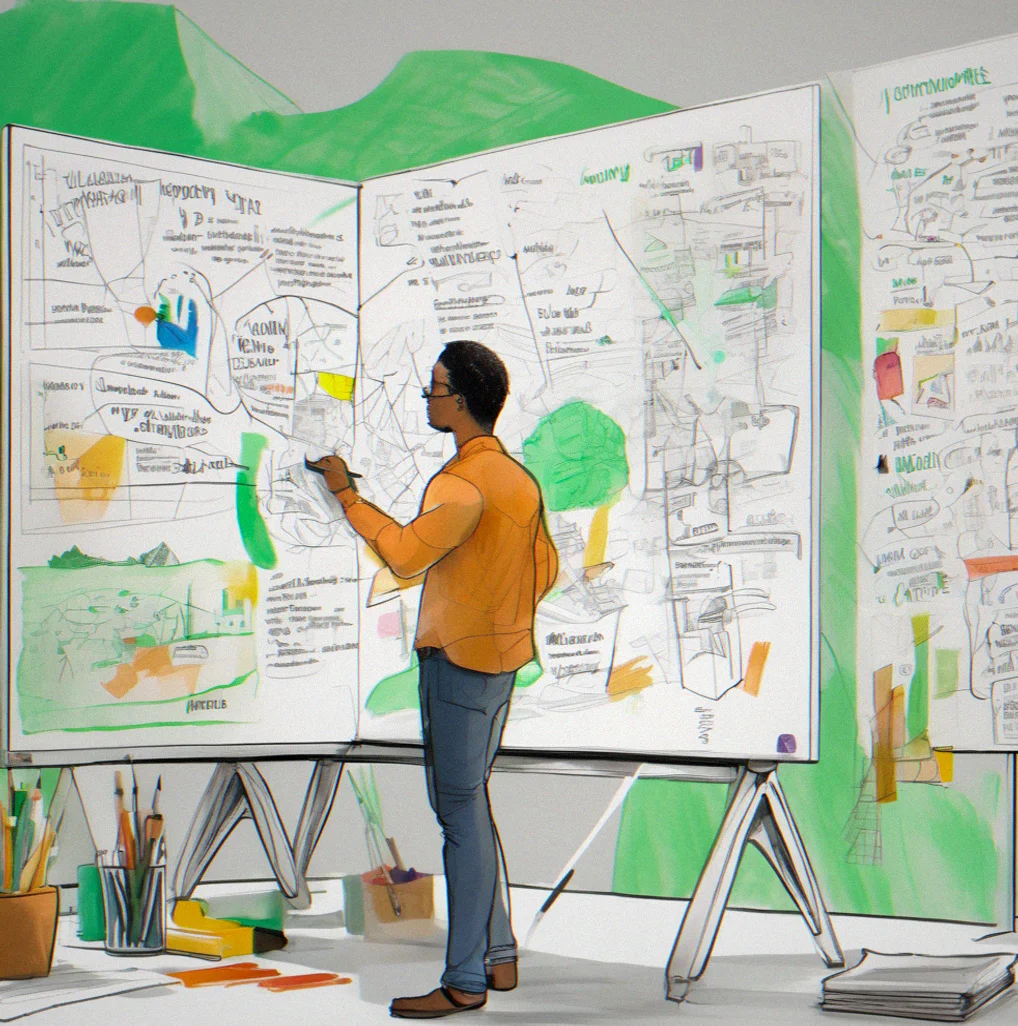
Someone mapping out narrative pillars on a whiteboard whule the team watches and brainstorms
Detailed view of typography specs laid out—weights, sizes, line heights, all the technical stuff
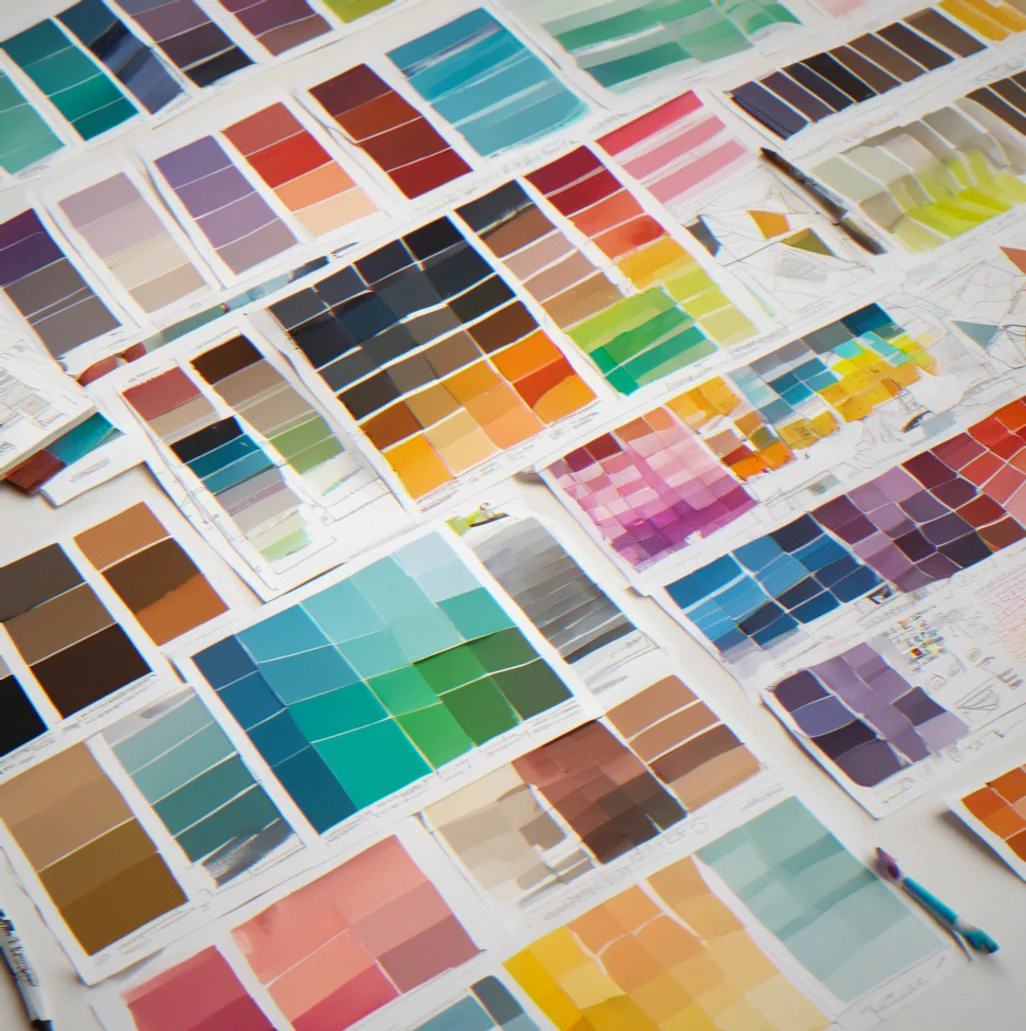
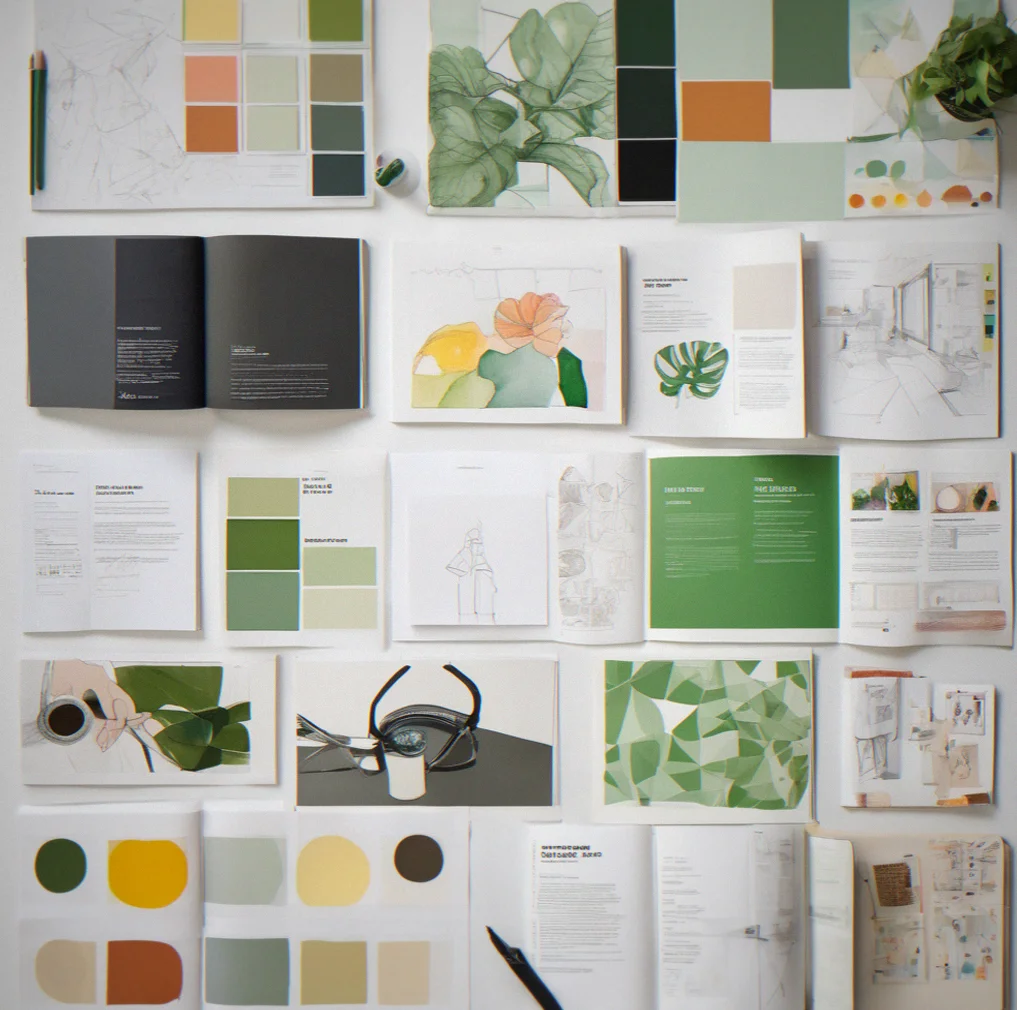
Color swatches with hex codes and CMYK breakdowns, plus notes on where each color actually gets used
Two people looking at brand guidelines on one screen, jotting down feedback as they go through it
Content strategy laid out with channel options, the main pillars, and how the editorial calendar flows
Brand positioning and audience breakdown visible on screen alongside tone and voice guidelines
Mock-ups showing what the brand identity actually looks like when applied to different formats
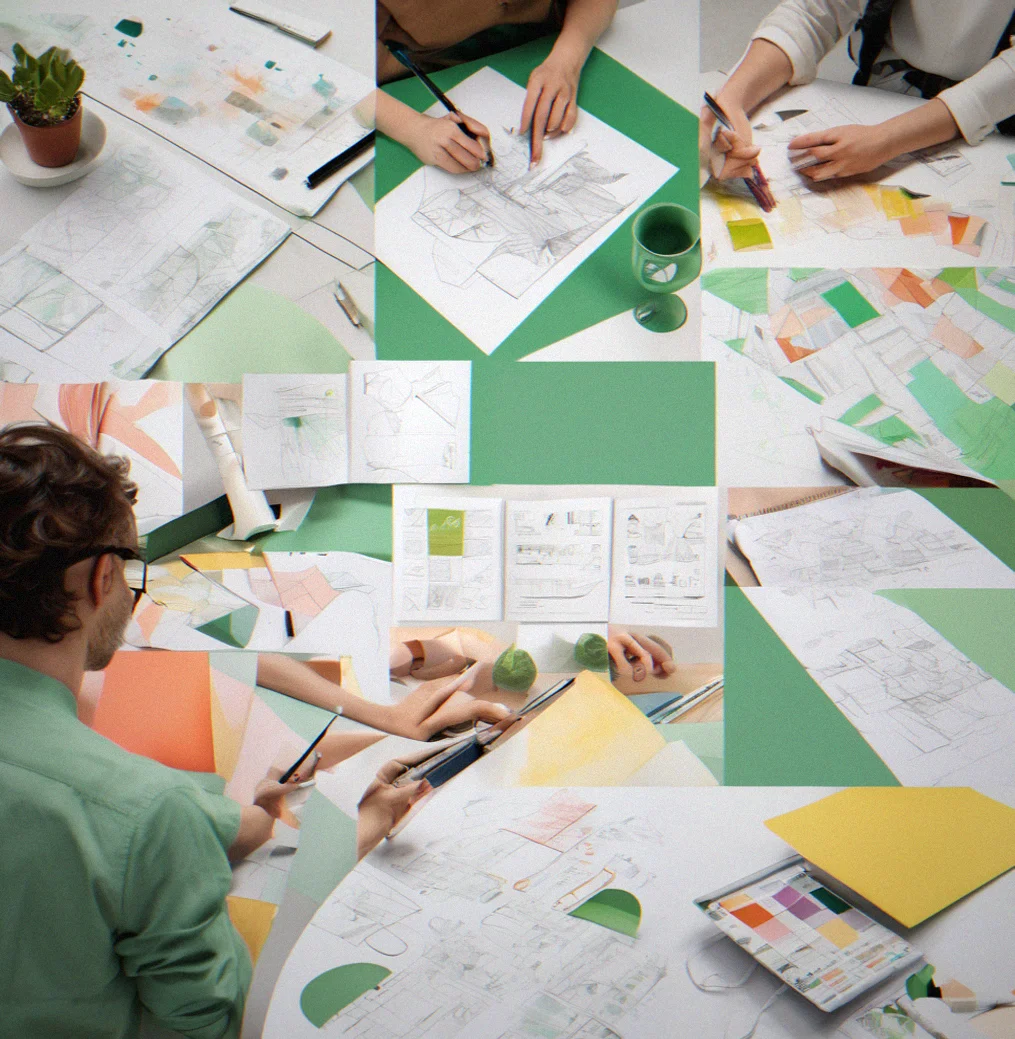
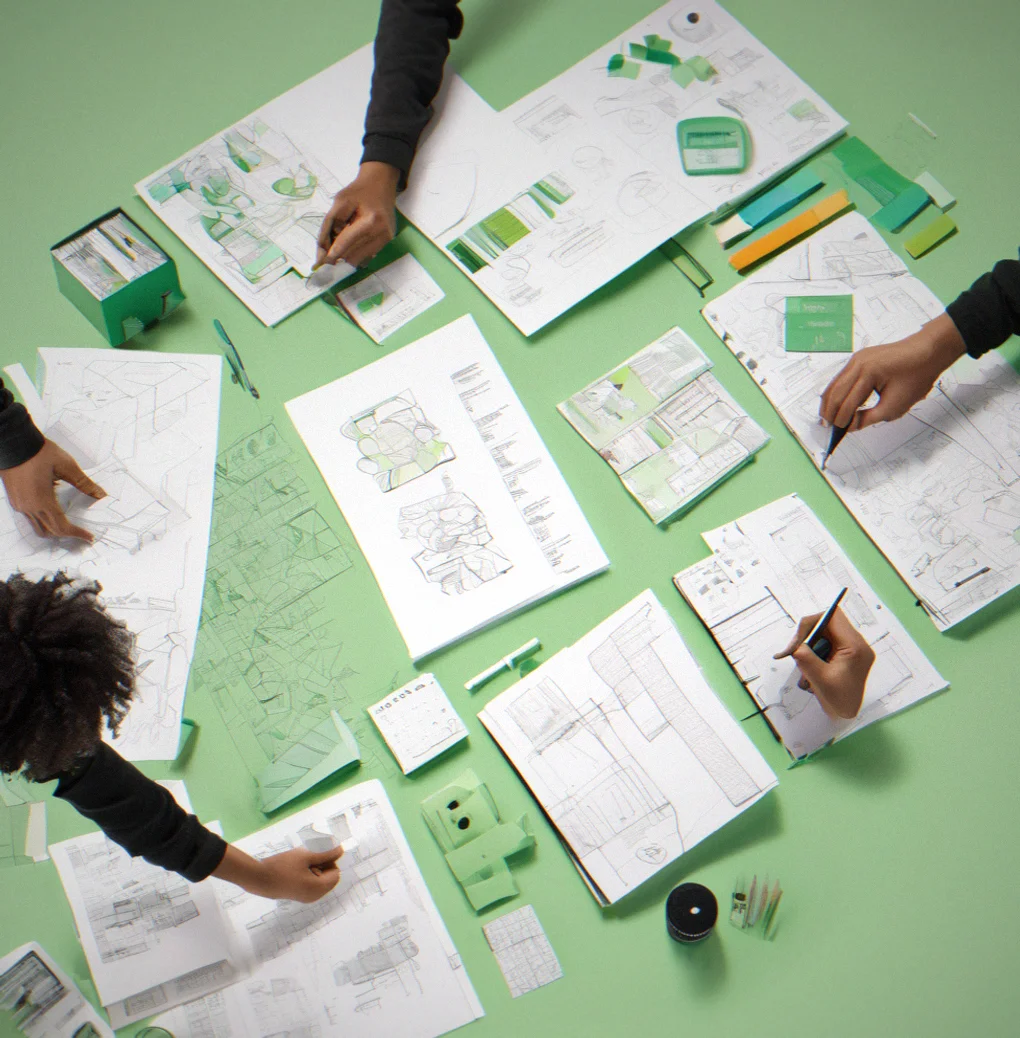
Team huddled around a table with sketches, notes, and brand materials scattered everywhere, deep in discussion

FreshThread Work Gallery

10 slides showcasing our work

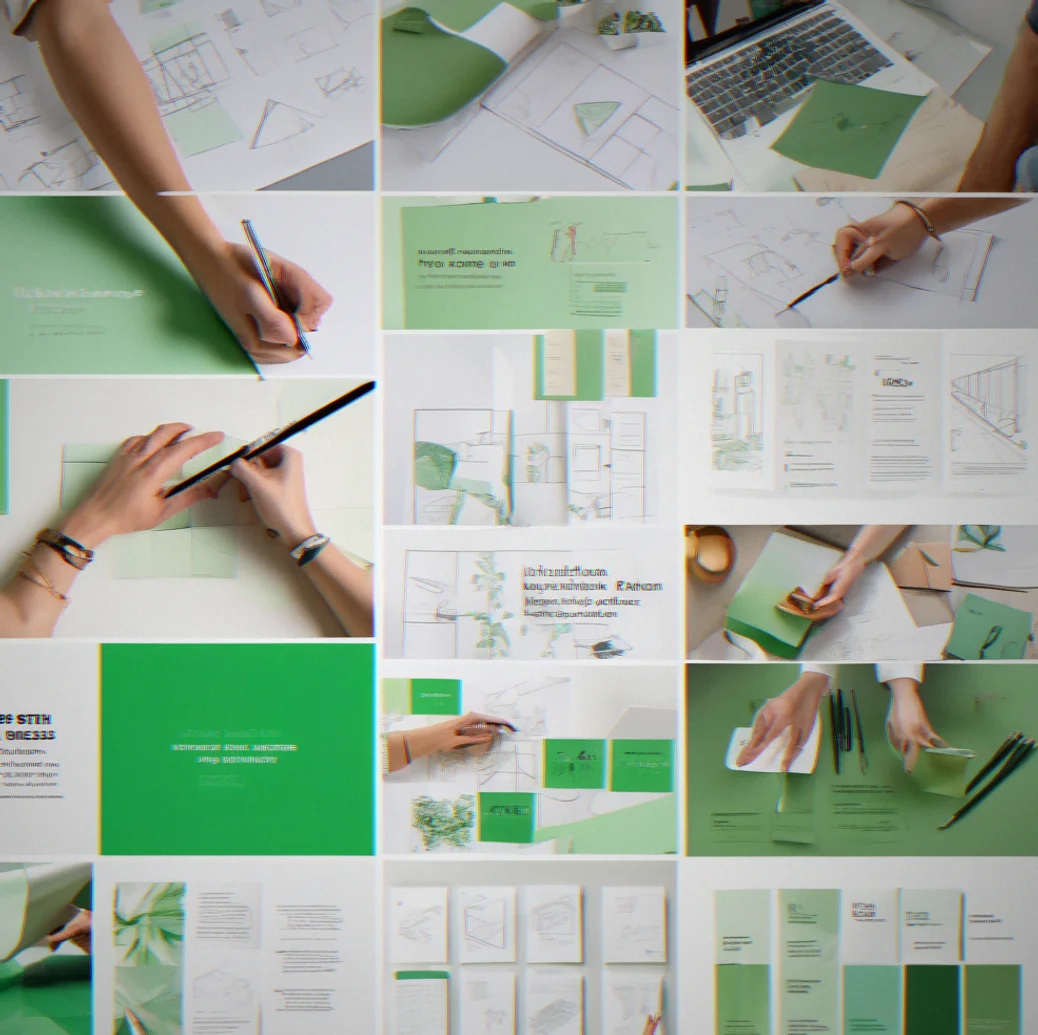
Brand identity system shown on everything from business cards and letterhead to digital templates

Brand identity system shown on everything from business cards and letterhead to digital templates

We ran a strategy workshop with the startup founders where they mapped out their narrative pillars and audience positioning on a whiteboard

We ran a strategy workshop with the startup founders where they mapped out their narrative pillars and audience positioning on a whiteboard

Custom typography system with font pairings, weight hierarchy and sizing specs that work across responsive breakpoints

Custom typography system with font pairings, weight hierarchy and sizing specs that work across responsive breakpoints

Content strategy framework that lays out which channels to use, what your editorial pillars are, and how long production actually takes

Content strategy framework that lays out which channels to use, what your editorial pillars are, and how long production actually takes

Color palette with hex codes, CMYK values, accessibility ratios and notes on where each color actually gets used

Color palette with hex codes, CMYK values, accessibility ratios and notes on where each color actually gets used

The design team reviewing the brand guidelines on screen with all the annotations and feedback they left for Each other

The design team reviewing the brand guidelines on screen with all the annotations and feedback they left for Each other

How the visual identity actually looks when applied to the website, so you can see the typography, spacing and colors working together

How the visual identity actually looks when applied to the website, so you can see the typography, spacing and colors working together

Tone and voice guidelines with real examples of how the brand sounds in emails, social posts, support conversations, that kind of thing

Tone and voice guidelines with real examples of how the brand sounds in emails, social posts, support conversations, that kind of thing

Imagery direction board showing what their photography should look like, how to compose shots, and their visual storytelling style

Imagery direction board showing what their photography should look like, how to compose shots, and their visual storytelling style

Handoff wofkshop where the team learned how to keep using and extending the brand system on their own once we wrapped up

Handoff wofkshop where the team learned how to keep using and extending the brand system on their own once we wrapped up

What you acutally get when you work with us

A strategist presenting positioning and narrative framework on a screen to a creative team gathered around a desk

Strategy that actually sticks

Most brand projects gloss over the real work—positioning, narrative, all that stuff. We dig into your story and connect it to what your audience genuinely cares about. You walk away with a positioning doc, narrative pillars, tone guidelines with actual examples. Things you'll come back to.
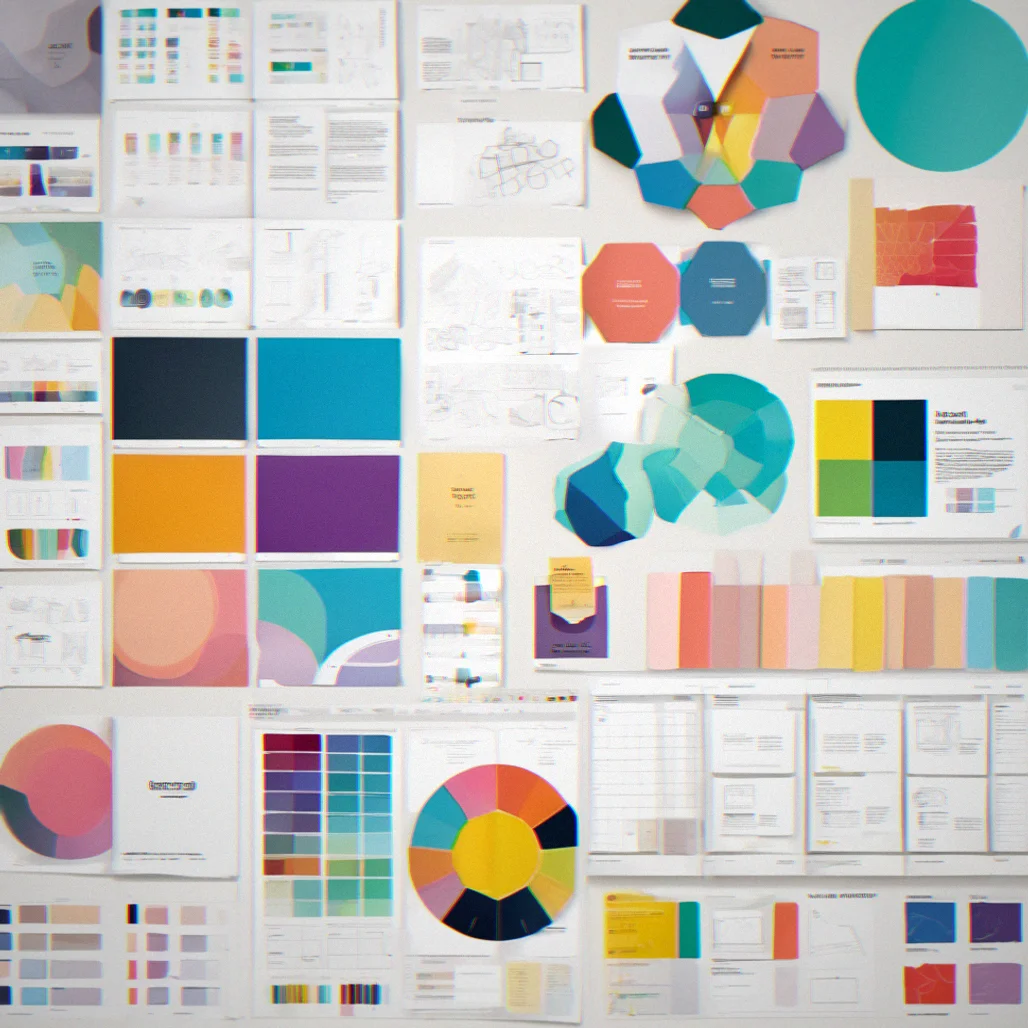
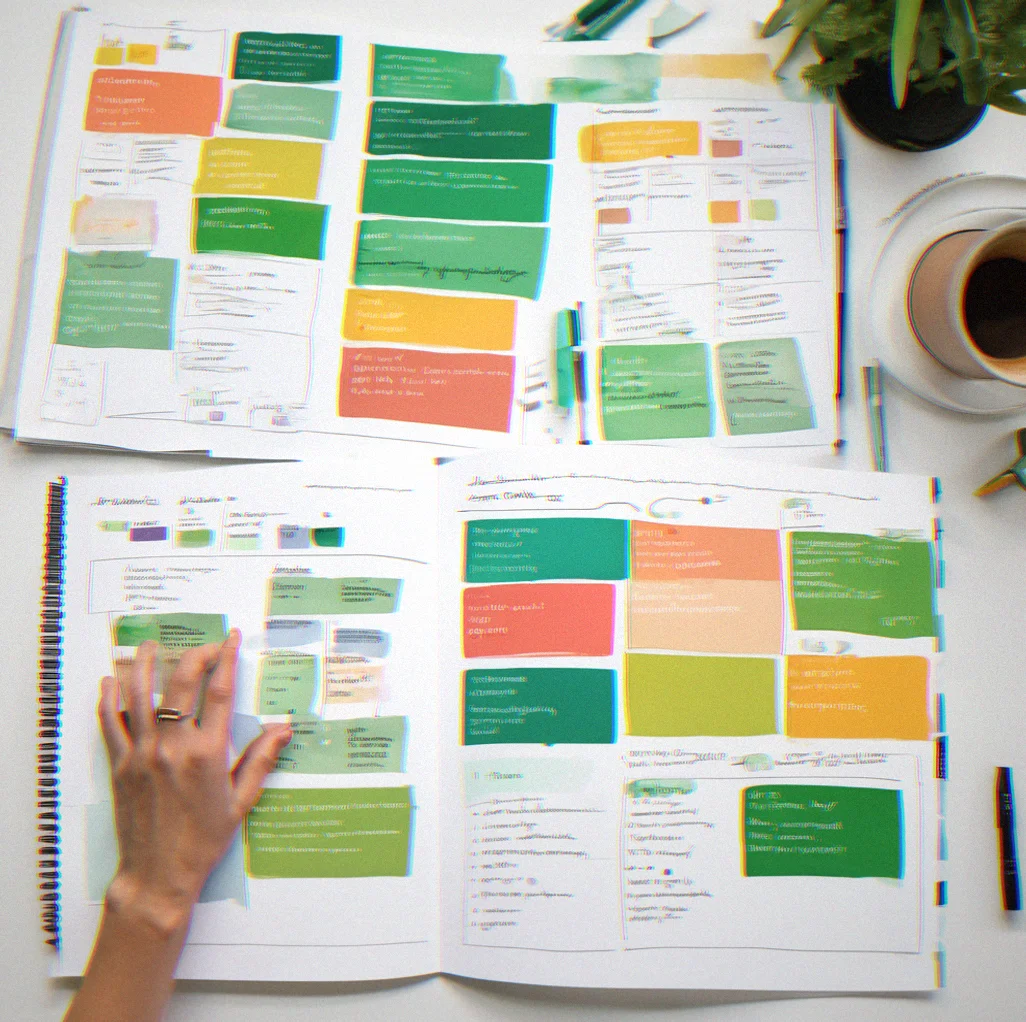
A comprehensive visual system showing typography scales, color palettes with hex codes, and grid specifications laid out in a design file

Visual systems you can build from

You get a custom system you can extend, not some rigid template locked behind design software. Typography scales, color logic, layout grid, imagery direction. All of it documented and tied back to why you made those choices. Your team can run with it without checking in with us constantly.

A content strategy document showing channel recommendations, content pillars and a production calendar with realistic timelines

Content planning that works in the real world

We build editorial calendars and tone guides based on what you can actually produce. No wishful timelines. No content pillars borrowed from someone else's playbook.

A workshop session where team members are learning to apply custom brand guidelines with hands-on examples and documentation

Your team knows how to use it

We run a handoff workshop. Your people learn how the system works so you're not calling us every time someone needs to make a decision.

Why templates don't work for creative teams

Custom systems look cheaper until you realize what templates actually cost.

A designer frustrated at a desk surrounded by template variations and customization notes, showing repetitive iteration

Half your time goes to fixing them anyway

Templates promise to speed things up. Then you notice the type doesn't fit your voice, the colors feel off-the-shelf, and nothing actually works with your content. So you change it. Then you change it again. By the second month you've burned through every hour you were supposed to save just trying to make it feel right.

Team members working in different directions with inconsistent brand applications, showing lack of cohesion

You can't modify them without breaking everything

Templates have rules nobody explains. Spacing. Color relationships. Type sizes. When your writer needs a different layout or your designer wants to experiment, they either copy something that exists or start from scratch. That's not a system. It's just a folder of files.

Multiple brand presentations side by side showing identical template aesthetics across different companies

You end up looking generic

Your competitors use the same template library. Same fonts. Same color logic. The result looks familiar in the worst way—like you dropped your logo into something off the shelf. A custom system costs more to build, but you actually stand out because it's made for who you're talking to and how your team actually works.

Questions

Common concerns about custom brand work

Most creative teams ask the same things. Here's what actually matters.

Templates run anywhere from fifty bucks to a few hundred. Custom brand work sits in the nine to fourteen thousand range. That sounds like a lot until you factor in what you're actually saving. Within half a year or so, the cost difference disappears because you're not burning time tweaking generic assets or having everyone remake the same decisions over and over. Beyond just the time savings, there's the whole differentiation thing—templates mean you end up looking like half the other companies using the same library.

We iterate. Most projects come with a few rounds of revisions built in. But we don't just start from scratch without talking it through first. We want to understand what's not working. Maybe you need more options. Maybe you realized partway through that you want a completely different feel. Both happen, and honestly, that's how you know the work is resonating—you're actually having opinions about it instead of just accepting what you got. It's all part of the normal back and forth.

Mostly, yeah. Strategy sessions and the final handoff need to happen live—those conversations matter too much to do over email. Everything else lives in async land. You give feedback when you have time, we push updates, the cycle continues. From start to finish you're looking at around five weeks, and we build in windows for async work so it actually breathes.

Not at all. The files are yours. Figma, Word docs, Keynote presentations—whatever you need, and all of it editable. We design the visual system and documentation so your team can take it and run with it. Add new pieces. Change things. Push it in new directions. That's literally what the handoff is about. We're showing you how it all works so you don't need us to make changes.

Let's talk about what you're building

Most of these start simple and end up somewhere real.

  • Quick call to figure out if we actually fit together
  • No deck. Just talk about what's actually broken
  • We'll be straight with you about whether this makes sense or not
  • You'll hear back the next day
  • What you tell us stays between us
  • You're talking to the people who'll actually build it, not sales